
Table of contents
What if the best trip you ever take is the one that ignores the “top 10” entirely? In 2026, as overtourism drives cities to cap rentals and rethink access while travelers still chase authenticity, a quieter countertrend is gaining ground: people are building personal circuits stitched from small places, local schedules, and unposted addresses. The goal is not to see everything, but to see something that feels yours, and to do it without wasting days on logistics or missing what only locals notice.
Forget the checklist, follow your rhythms
Here is the uncomfortable truth about bucket lists: they are somebody else’s itinerary, optimized for photos, not for you. The result is familiar, airports and transfers stack up, the “must-see” lines blur together, and by day four you cannot remember which viewpoint was which. A personal circuit begins with a different question: when do you actually feel good on the road? Some travelers want slow mornings, long lunches, and a single big anchor each day; others want a tight loop with early starts and an afternoon reset, and the difference matters more than whether you see one more monument.
Start by designing days that match your energy, then choose places that fit those days, not the other way around. Build around “fixed points” you cannot move, a festival night, a market morning, a reservation at a small restaurant, a hike that requires a specific tide or weather window, and then leave space for discovery. It sounds like common sense, yet tourism data keeps showing how the lack of slack time turns trips into endurance tests, and with climate volatility increasing heatwaves, storms, and wildfire disruptions, resilience has become part of travel design. The smartest circuits now include backup options, a cooler coastal day after a hot interior stretch, a museum afternoon on a forecasted rain day, and one unstructured block where a local recommendation can actually happen.
Practically, it helps to set three personal rules before you book anything: one, no more than one long transfer day per week; two, at least two consecutive nights in every base; three, a daily “non-negotiable” that is yours, a swim, a run, a café ritual, a golden-hour walk. This is not romanticism, it is trip engineering, and it prevents the common trap where the map looks efficient but the body does not agree. Once the rhythm is set, the checklist loses its power, and the circuit starts to feel like it belongs to you.
Local gems live in the calendar
Want to find places that do not feel prepackaged? Stop searching only by location, and start searching by date. The most memorable local gems are often time-bound: a weekly souk that reshapes a valley, an evening food stall that appears after the heat drops, a seasonal harvest that turns a town into a social event. Even in major destinations, the city’s personality changes depending on the day, and a traveler who arrives on the wrong morning can miss the very thing that would have anchored the visit.
Building a circuit around local life means reading the calendar the way residents do. Markets rotate, museums close on specific days, and smaller businesses sometimes operate on informal schedules that never make it into the glossy guides. You get better results by triangulating: local tourism offices for official events, neighborhood social feeds for pop-ups, and hotel or guesthouse staff for what is actually happening this week. In many places, religious holidays and school schedules reshape transport demand, prices, and even opening hours, and ignoring them is how people end up paying peak rates for a trip that still feels oddly empty.
There is also a data angle that seasoned travelers increasingly use: compare the day-by-day rates of transport and lodging, because the spikes tell you where the crowd will be. When prices jump on a particular weekend, a local event is usually driving it, and that can be either an opportunity or a warning. If your goal is a quieter circuit, you can shift by 48 hours and reclaim a town before it fills; if your goal is immersion, you can lean into the event, book early, and accept that the energy is the point. Either way, the calendar becomes your map, and the “local gem” stops being a secret spot and becomes a lived moment you planned for.
Logistics decide whether gems sparkle
A beautiful circuit on paper can collapse in real life for one reason: friction. Missed connections, unclear pickup points, cash-only surprises, and long detours erase the joy of discovery, especially when you are trying to string together smaller places that do not have a tourism machine smoothing every edge. This is why the most effective personal circuits treat logistics as part of the story, not as an afterthought, and why experienced travelers spend as much time on transfer realism as they do on hotel aesthetics.
Begin with the backbone: how you will move. Trains and buses can be perfect on a classic corridor, then suddenly sparse once you leave it, and driving gives freedom but also responsibility, road conditions, parking realities, and fatigue. The trick is mixing modes intentionally. Use high-capacity transport for the long hop, then switch to local drivers or short rentals for the last-mile segment, and keep your bases close enough that you are not always “on the road.” A circuit that looks short in kilometers can still be punishing if it involves mountain roads, checkpoints, or urban congestion, and any plan that assumes best-case travel times tends to fail under real-world conditions.
This is also where many travelers decide to get targeted help, without surrendering control of their trip. Having a local partner to sense-check timings, confirm what is open, and adjust to weather or crowds can mean the difference between seeing a place at its best and arriving when it is closed, empty, or overwhelmed. If you want a starting point for planning and local insights, you can visit site and then use what you learn to shape a circuit that fits your pace, your interests, and your risk tolerance. The principle matters more than the tool: keep the plan flexible, verify the practical details, and protect your time, because time is the one resource you cannot refund.
Make room for the unposted address
The most valuable travel advice rarely comes from search results. It comes from a person who knows the wind direction, the best hour for a viewpoint, and which street actually smells like dinner at 7 p.m. A personal circuit should be designed to attract those moments, not to crowd them out, and the way you do that is by leaving space, arriving early, and staying long enough in each base to become recognizable.
Small behaviors change what you are offered. Return to the same café twice, ask a specific question instead of “what should I do,” and show you are willing to go at the local pace. “Where do you go on your day off?” works better than “what is famous here?” and “what is good in this season?” beats “what is best?” because it signals that you understand context. When you get a recommendation, treat it with respect: confirm opening times, ask about etiquette, and be careful with geotagging. Many local gems stay charming precisely because they are not optimized for mass visitation, and travelers now increasingly debate the ethics of broadcasting fragile places to a global audience.
Budgeting also plays a role in discovery. When every euro is locked into prepaid attractions, you will say no to the spontaneous invitation, the local cooking class with two seats left, the taxi to a nearby village for a sunset you did not plan. A smart circuit keeps a “yes fund,” a small daily buffer for unplanned meals, tips, short rides, and last-minute tickets. The payoff is concrete: you stop behaving like a schedule manager and start behaving like a guest. That is how the unposted address enters your trip, not as a hack, but as a natural consequence of time, openness, and thoughtful planning.
A practical way to book it
Reserve key stays early, especially during school holidays and major local events, then keep at least one flexible day per week to absorb weather shifts or unexpected recommendations. Set a realistic daily budget that includes transport, tips, and a “yes fund,” and check what public or regional supports exist for culture passes or local transport discounts, because they can free cash for experiences. Above all, confirm timings before you move, and protect your circuit’s rhythm.
Similar

Is Spontaneity The Best Tool For Discovering New Activities?

Are Spontaneous Excursions The Secret To Authentic Experiences?
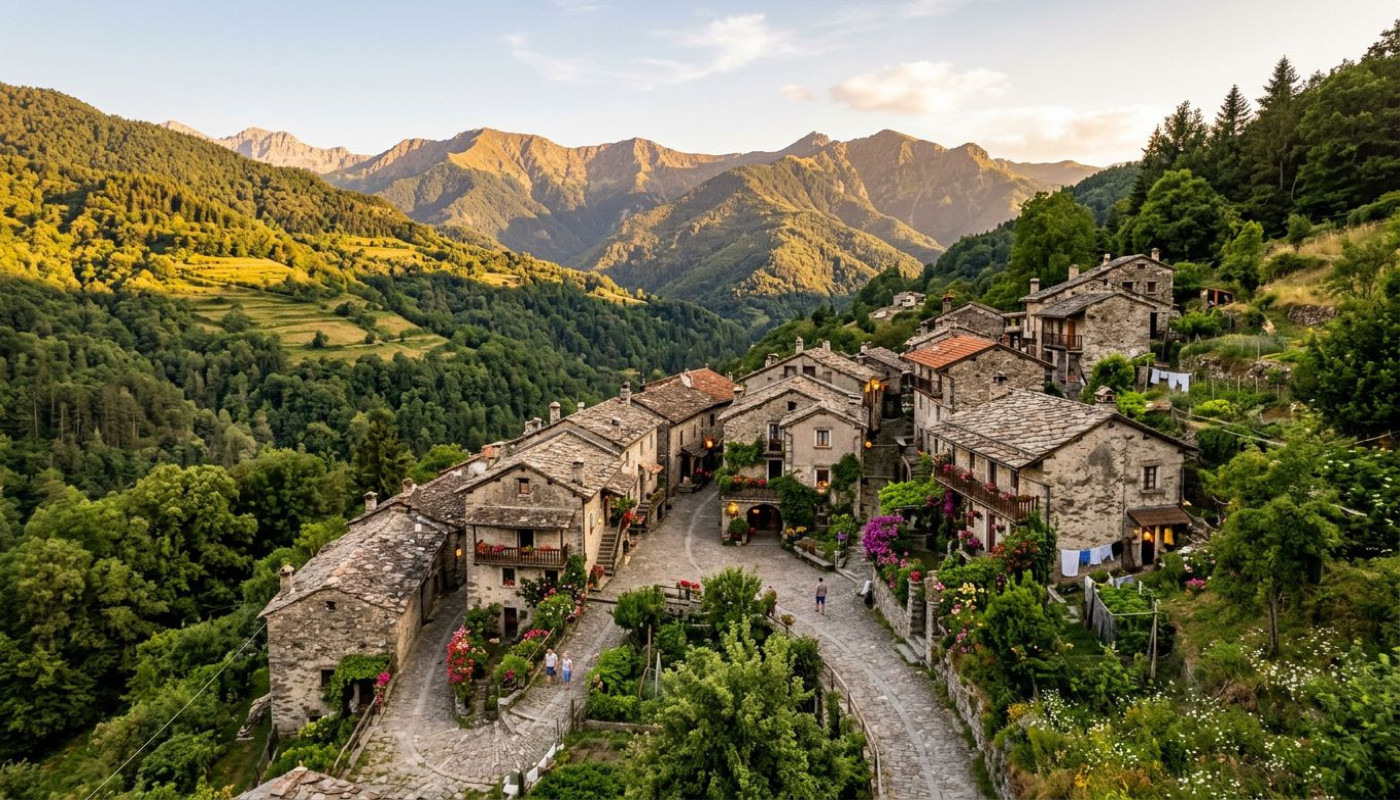
How Do Hidden Villages Shape Unforgettable Travel Itineraries?

Unexpected Connections: Destinations That Inspire Curious Explorers

Unpacking The Invisible: Overlooked Tips Every Itinerary Should Include
