Table of contents
Book a trip long enough and you will face a choice: follow the spreadsheet, or follow the moment. From Barcelona’s sudden taxi strikes to Tokyo’s pop-up festivals, travel disruptions and surprises are increasingly baked into the experience, and they are also reshaping what visitors remember. Tour operators report stronger demand for “flex” schedules, while tourism boards push lesser-known neighborhoods to spread crowds. The question is no longer whether spontaneity belongs in modern travel, but how to use it without wasting time, money, or energy.
When plans break, memories begin
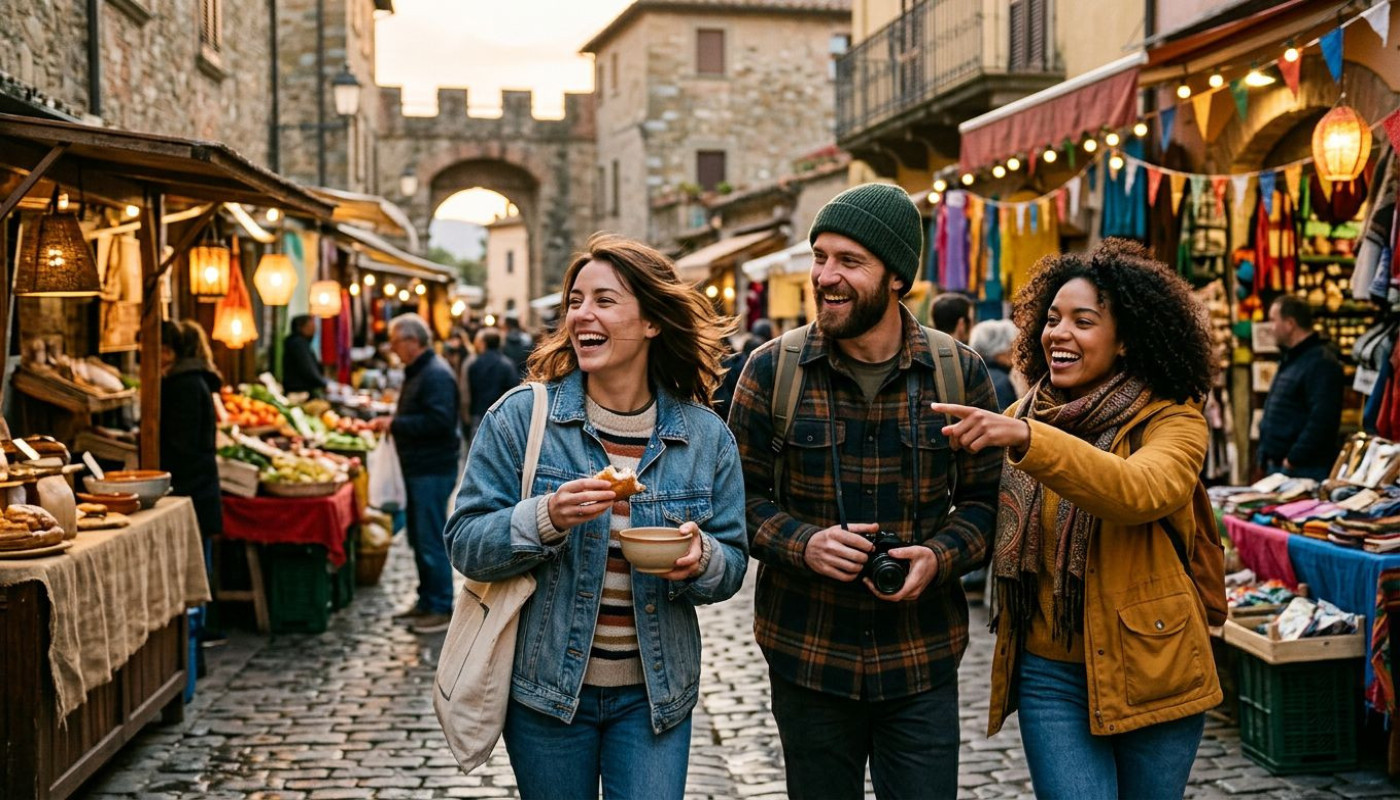
Is the best day the unplanned one? In many destinations, the most talked-about moments begin where certainty ends, because the traveler is forced to pay attention, ask questions, and respond to what is actually happening in front of them. That shift has a measurable backdrop: global tourism is again operating at near pre-pandemic volume, and the World Tourism Organization (UN Tourism) reported 2023 international tourist arrivals reached roughly 88% of 2019 levels, with a continued rebound in 2024; as crowds return, rigid itineraries collide more often with queues, last-minute closures, and sold-out time slots. In practice, a missed museum entry can turn into a long conversation with a café owner about where locals really eat, and a delayed train can become the excuse to wander a residential street that never makes the guidebooks.
Psychologists have long noted that novelty and emotional intensity strengthen recall, and travel provides both; spontaneity amplifies that effect by injecting uncertainty and a small sense of risk, even when the stakes are low. A traveler who improvises also tends to interact more, because they cannot hide behind the plan, and those small interactions become the texture of “authenticity” people describe afterward. The paradox is that authenticity often appears when you stop chasing it directly, and instead follow the friction, the detour, the unexpected recommendation. Of course, not every surprise is romantic, and wasting a half-day in a bad district or overpaying for a mediocre attraction is still a real cost, especially in expensive cities; the point is that spontaneity works best when it is intentional, not accidental.
The price of “winging it” in 2026
Spontaneity feels free, yet it can be expensive. Post-pandemic travel has been marked by higher baseline costs, and the data behind that is not subtle: inflation in many major economies has eased from its peaks, but services prices, including hospitality, have remained sticky in numerous markets, and travelers feel it most in lodging and last-minute transport. Airlines and hotels increasingly rely on dynamic pricing, meaning the late decision can be the priciest one; a spontaneous weekend can easily cost more than a carefully booked one, not because spontaneity is inherently inefficient, but because the market rewards commitment.
There is also the time cost, which is often underestimated by first-time travelers to major cities. In Paris, Rome, London, and other high-demand capitals, the difference between reserved entry and walk-up access can be measured in hours, and those hours are a finite part of any short break. Even in less saturated places, “just showing up” can fail for more mundane reasons: reduced opening days outside peak season, private events, or temporary restoration work. Travelers who want authenticity without chaos often settle into a hybrid approach, booking only the elements that are hard to replace, like a limited-capacity visit, a specific concert, or a cross-border train, and leaving the rest deliberately open. That strategy tends to preserve the emotional upside of spontaneity while protecting the budget and the clock.
Why local guides can keep it real
Want spontaneity, without getting lost? That is where local knowledge becomes less of a luxury and more of a practical tool, because a good guide does not just recite facts, they read the city in real time and translate it for outsiders. They know which neighborhood is lively on a Tuesday, which market is genuinely local rather than staged for tourists, and which viewpoint is worth the detour when the light is right. Crucially, they also know what to avoid, from tourist traps to areas that become uncomfortable late at night, and that kind of situational judgment is hard to replicate with a quick scroll on social media.
In many cities, this is also how travelers reach experiences that feel unmanufactured without compromising safety. A flexible walking tour can pivot when weather turns, and a food itinerary can change when a stall sells out, because the guide has alternatives that remain within the same cultural logic. In Eastern Europe, where visitors may face language barriers more quickly than in Western hubs, the “spontaneous” option can actually depend on having a local intermediary who can call ahead, interpret, and negotiate fairly. For travelers passing through Romania’s capital, one practical starting point for exploring the city with that kind of on-the-ground adaptability is https://www.bucharest-escape.com/, a reminder that spontaneity does not have to mean improvising alone, it can mean choosing the right partner and then letting the day unfold.
Build a trip that still has surprises
How do you design freedom? The most effective approach is to decide, before departure, what you refuse to improvise, and what you are happy to discover on the spot. Travelers who report the highest satisfaction often protect mornings and loosen afternoons, because mornings are when energy is highest and logistics are easiest, while afternoons can absorb detours without derailing the rest of the day. Another reliable method is the “one anchor per day” rule: book one meaningful activity, then leave space around it for wandering, cafés, parks, and whatever you learn from locals. That structure reduces decision fatigue, and it also makes the spontaneous choice feel like a bonus rather than a gamble.
It helps to prepare in ways that do not lock you in. Save a short list of neighborhoods, note a handful of places that do not require reservations, and understand the local transit options so you can pivot quickly; a traveler who knows how to move can be spontaneous without being reckless. Budgeting matters too, because spontaneity often comes with small, cumulative upgrades, a taxi instead of a bus, a last-minute ticket, an extra round at a bar where the conversation is flowing. Setting aside a “surprise fund” can prevent those moments from becoming stressful. Finally, remember that authenticity is not a checklist item, it is a feeling that comes from attention, curiosity, and human contact, and those are easier to access when you have left yourself room to breathe.
Before you go: money, timing, booking
Reserve what sells out, and keep the rest flexible. Plan a realistic daily budget, add a buffer for last-minute transport, and check whether city passes or local discounts apply to your dates. If you travel in high season, lock in accommodation early; for shorter breaks, pre-book at least one key experience, then let the city surprise you.
Similar

Why Do Lesser-known Destinations Make Unforgettable Journeys?
Packing Light, Traveling Smart: Underrated Tools Every Explorer Should Use
Is Spontaneity The Best Tool For Discovering New Activities?
How Do Hidden Villages Shape Unforgettable Travel Itineraries?
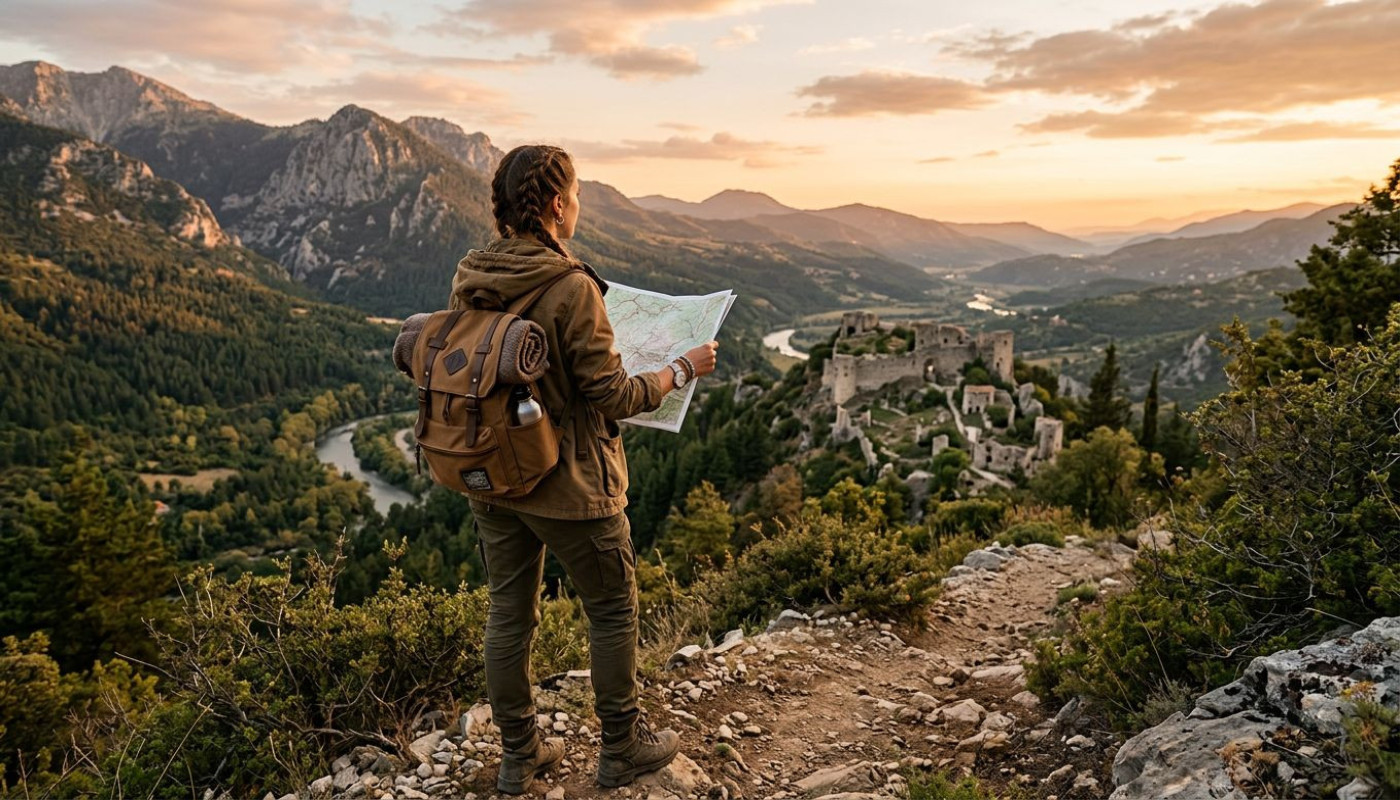
Unexpected Connections: Destinations That Inspire Curious Explorers

Beyond The Bucket List: Crafting A Personal Circuit With Local Gems
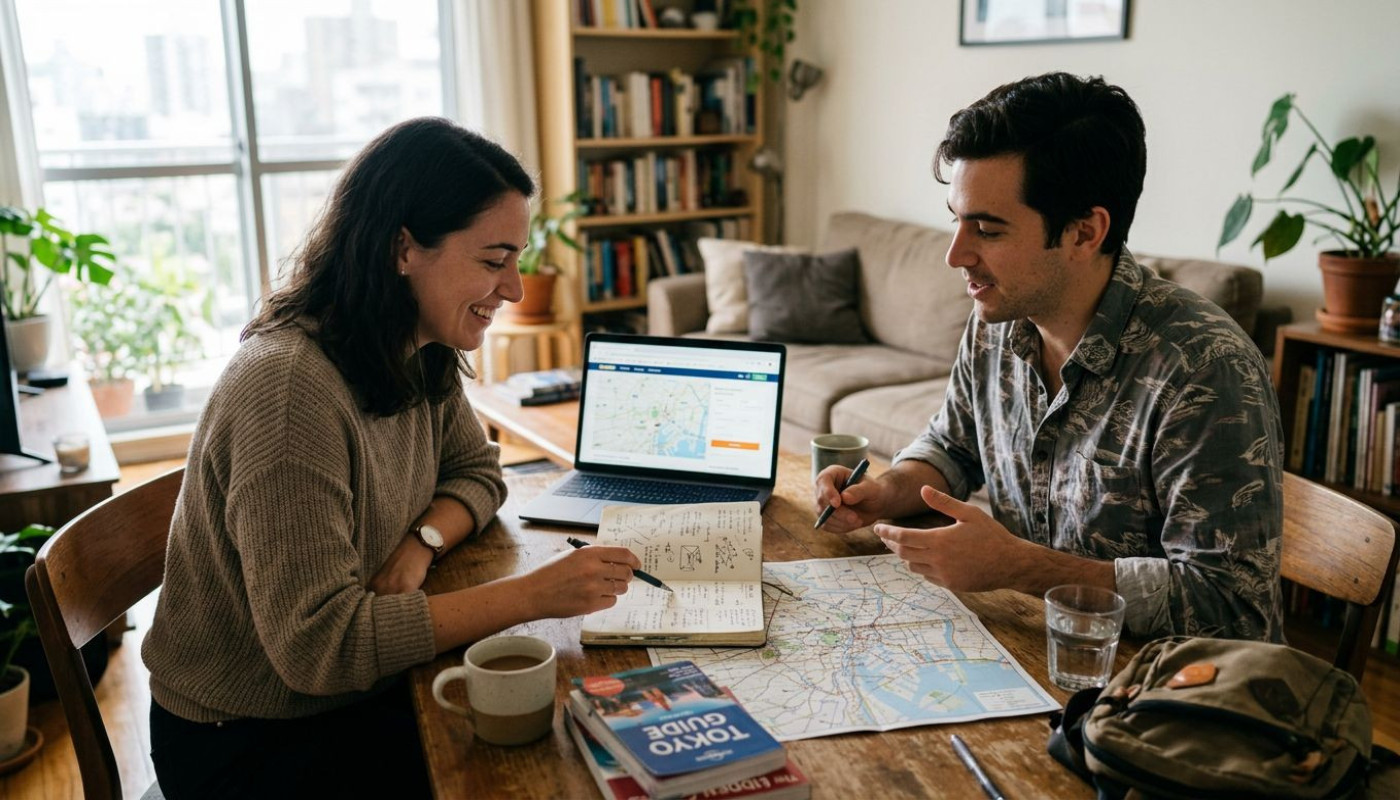
Unpacking The Invisible: Overlooked Tips Every Itinerary Should Include
